H-1B Lottery 2026: FY2026 Selection Results and FY2027 Registration Outlook
H-1B lottery selection is electronic, beneficiary-centric, and runs against the 65,000 regular cap plus 20,000 master's-cap. Historical odds: regular cap selection ~25–30%, master's cap secondary draw 30–40% — varies year-to-year with registration volume.
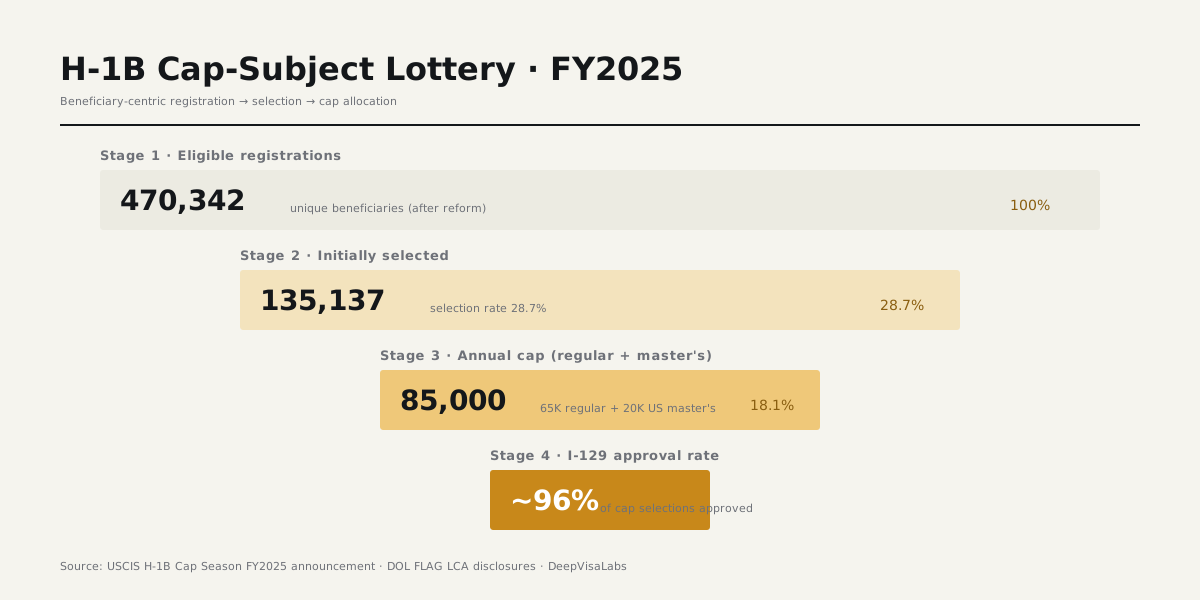
FY2026 Cycle Overview
The H-1B lottery for FY2026 (covering October 2025 – September 2026 employment) ran the standard March 2025 registration cycle. Per USCIS H-1B electronic registration process, the second year of beneficiary-centric selection produced selection rates of approximately 25–30% per unique beneficiary.
Initial selections posted by March 31, 2025. Selected registrants filed Form I-129 between April 1 and June 30, 2025. Approved petitions began the H-1B work-eligibility window October 1, 2025.
How FY2026 Compared to FY2025
Year-over-year, beneficiary-centric registration continued to deliver more equitable selection rates. FY2025 was the first full cycle under the 2024 reform, which dropped multi-registration gaming. FY2026 continued that trend — registrations dropped year-over-year from FY2025 levels because employers stopped registering the same beneficiary multiple times.
Selection rates per beneficiary stabilized in the 25–30% range for both cycles, a meaningful improvement over pre-2024 cycles where multi-employer beneficiaries had artificially elevated odds.
Second-Round Selections
USCIS conducts second-round draws when the cap isn't met after the April 1 – June 30 filing window. In recent years, second-round draws have occurred in late summer (July–August). Notification follows the same email path as initial selections.
Beneficiaries who weren't selected in March's initial draw may be picked in the second round. This pushes the I-129 filing window later but doesn't change the October 1 work-start date.
FY2027 Registration Outlook
FY2027 registration window opens around March 2026. Registration fee continues at $215 per beneficiary. Beneficiary-centric selection continues. The 65,000 + 20,000 caps remain in place absent legislative change.
Track USCIS Newsroom in February 2026 for the FY2027 registration period announcement, exact dates, and any procedural changes.
What to Do If Not Selected in FY2026
Non-selection options: continued OPT or STEM OPT (F-1 students), cap-exempt H-1B at a university or nonprofit (anyone), O-1 (if extraordinary-ability evidence supports), L-1 (if foreign-affiliate transfer is feasible), or departure pending FY2027 registration. The wage-based-selection proposal — if finalized — could change the lottery dynamic in future cycles.
Cap-exempt H-1B is the most structural workaround: file at any time of year, no cap, and once cap-counted the beneficiary becomes cap-counted-for-life for portability to cap-subject employers.
Cross-Pillar Reading
- H-1B Lottery (general) · how the lottery works
- H-1B Cap-Exempt · lottery alternative
- H-1B News and Policy Updates · regulatory tracking
- H-1B Extension · post-cap continuation
- STEM OPT · 36-month bridge for STEM grads
Bottom line
H-1B lottery selection now genuinely follows beneficiary-centric odds — about 25–30% per beneficiary regardless of how many employers register. Plan parallel paths (cap-exempt, O-1, STEM OPT) for unselected cycles, and track March registration windows annually.
Frequently asked questions
- Can I register myself for the H-1B lottery?
- H-1B is employer-petitioned. The registration is filed by the petitioning employer with USCIS attestations. A beneficiary cannot self-petition for H-1B (unlike O-1 or EB-1A, where self-petition is allowed under specific paths).
- What happens if my employer goes out of business after selection?
- If the petitioning employer ceases operations before the I-129 filing window, the registration is voided. The beneficiary cannot transfer the selection to another employer; they must wait for the next March cycle.
- Can I be selected multiple times for the same beneficiary?
- Each beneficiary is registered with a unique passport number, name, and date-of-birth combination. The system de-duplicates and enters the beneficiary into the lottery once. A selected beneficiary picks one of the multiple employers' I-129 filings.
- When does the H-1B registration window open?
- Registration runs for two weeks in early-to-mid March. USCIS typically announces the exact dates 30+ days in advance via the H-1B newsroom page. Selected registrations file I-129 between April 1 and June 30.
- How does beneficiary-centric selection change odds?
- The reform eliminated the multiplier effect of multi-employer registrations. A beneficiary registered by 5 employers now has the same selection odds as a beneficiary registered by 1 — both get a single entry into the lottery pool.
Sources
- https://www.uscis.gov/newsroom/all-news
- https://www.uscis.gov/working-in-the-united-states/h-1b-specialty-occupations/h-1b-electronic-registration-process
- https://www.uscis.gov/i-129
- https://www.federalregister.gov/documents/2024/02/02/2024-02158/improving-the-h-1b-registration-selection-process
- https://egov.uscis.gov/processing-times/