H-1B News: Modernization Rule, Beneficiary-Centric Lottery, Wage-Tier Proposals
H-1B is a fast-moving regulatory area. Major 2025–2026 updates: Modernization final rule, beneficiary-centric registration, expanded cap-gap automatic extension, and proposed wage-based selection (not yet final). DOL FLAG dashboard and USCIS newsroom are the primary live sources.
The 2025 H-1B Modernization Rule
USCIS's H-1B Modernization Final Rule (89 FR 99054) took effect January 17, 2025. It codified prior policy memos on cap-gap, F-1 to H-1B transitions, specialty-occupation definition, and LCA worksite requirements. Major beneficiary-friendly changes:
- Cap-gap auto-extension expanded to April 1 of the following fiscal year
- F-1 students with pending H-1B can continue working without break
- Clarified specialty-occupation criteria reducing arbitrary RFE issuance
- Codified employer good-faith standard for amendments
- New beneficiary-employer relationship attestations
Track the Federal Register USCIS feed for subsequent rulemakings.
Beneficiary-Centric Selection (FY2025+)
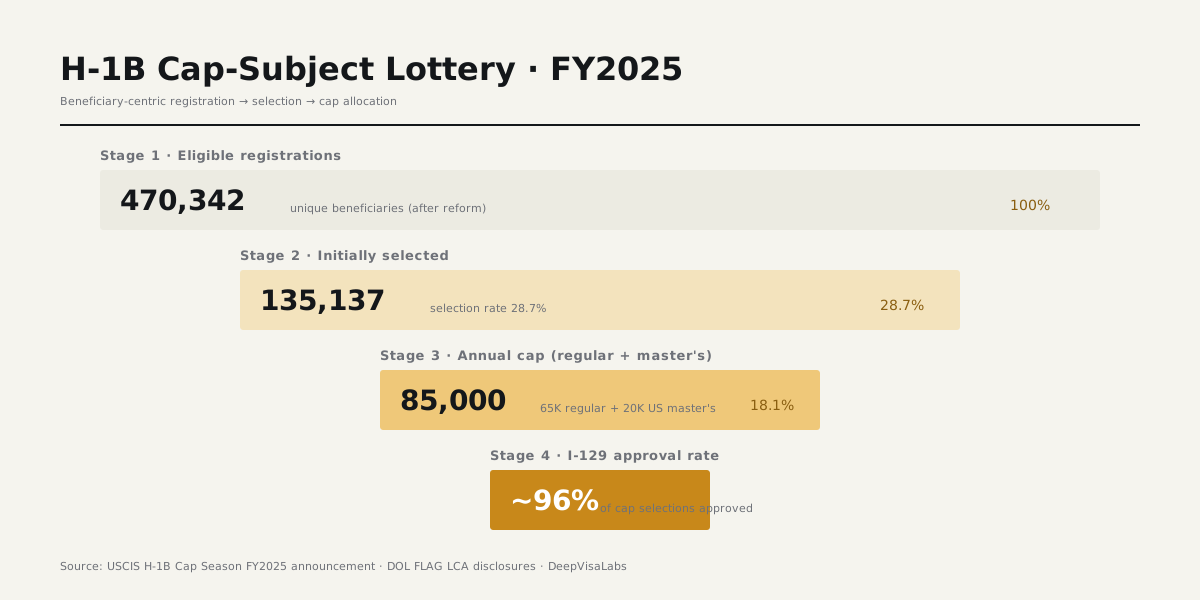
The 2024 beneficiary-centric reform changed H-1B lottery selection from registration-based to beneficiary-based. Each unique beneficiary gets one entry regardless of how many employers register them. Effective FY2025 cycle (March 2024 registration); confirmed for FY2026 cycle.
Net effect: ~25–30% selection rate per beneficiary; multi-employer registration gaming eliminated; aggregate registrations down meaningfully YoY post-reform. See H-1B Lottery for mechanics.
Wage-Based Selection Proposal
Wage-tier-prioritized selection is a periodically-proposed reform that would replace random lottery with a wage-ranked draw — Wage Level 4 first, then 3, 2, 1, until cap is filled. The Trump administration finalized a version in 2020; courts vacated for APA violations. Subsequent administrations have re-proposed with various modifications.
Status as of 2026: not finalized. If finalized in current form, it would significantly disadvantage entry-level hires and graduate students. AILA bulletins track the proposal status.
Prevailing Wage Tier Methodology
Current prevailing wage methodology — Wage Levels 1–4 at BLS OEWS 17th/34th/50th/67th percentiles — comes from the H-1B Reform Act of 2004 and DOL implementing regulations. The 2020 attempt to raise tiers to 35th/53rd/72nd/90th was vacated by federal courts.
DOL has proposed adjustments periodically; all subject to APA challenge. Track DOL Newsroom for prevailing-wage rulemakings.
Cap Reform Legislation
The 65,000 + 20,000 cap is statutory under INA §214(g)(1)(A). Raising the cap requires Congressional action. Multiple bipartisan proposals exist (115K to 195K, STEM exemption, per-country cap elimination); none has passed both houses through 2025.
Cap reform is unlikely without comprehensive immigration legislation — typically a once-in-a-decade event. The cap has remained static since 2003 (post-AC21 reduction from 195,000).
How to Track H-1B News
Authoritative sources, in order:
- USCIS Newsroom — agency announcements and policy memos
- Federal Register USCIS — official rulemakings
- Federal Register DOL ETA — prevailing wage and LCA rules
- AILA — practitioner-perspective summaries
- Individual law firm bulletins for litigation outcomes affecting H-1B rules
Federal Register email alerts are the only reliable real-time monitoring path.
Cross-Pillar Reading
- H-1B Lottery · current selection process
- H-1B Extension · including AC21 mechanics
- H-1B Sponsorship · employer mechanics and fees
- H-1B Cap-Exempt · year-round filing alternative
- H-4 EAD · spouse work authorization
Bottom line
Verdict: stay current via Federal Register email alerts and AILA practitioner bulletins. Major rulemakings every 12–18 months in normal political conditions; faster cadence under active reform administrations.
Frequently asked questions
- Has the H-1B cap been raised?
- The H-1B cap is a statutory limit. Raising it requires Congress. Multiple bipartisan proposals exist; political environment determines whether any advance. As of 2026, no cap reform legislation has reached the President's desk.
- What's the latest on H-1B prevailing wage rules?
- Prevailing-wage methodology is at 17/34/50/67 BLS percentiles per the 2004 H-1B Reform Act. The 2020 attempt to raise tiers to 35/53/72/90 was vacated. New rulemakings periodically propose adjustments — all subject to APA challenge.
- Where can I track H-1B regulatory changes?
- Track via the Federal Register (legal source of truth), USCIS / DOL newsrooms (agency announcements), and AILA / law firm bulletins (practitioner takes). Federal Register is the only authoritative source for regulatory changes.
- How does the 2024 beneficiary-centric rule actually work?
- Beneficiary-centric selection (effective FY2025) uses unique passport+DOB+name combinations to deduplicate registrations. USCIS picks unique beneficiaries, then assigns each selected beneficiary to one of their registering employers (random if multiple). Result: equal lottery odds regardless of multi-employer registration.
- What is the H-1B Modernization Rule?
- The Modernization Rule (89 FR 99054) updates several long-standing H-1B policies: expanded cap-gap auto-extension (up to April 1 of the following fiscal year), clarified specialty-occupation criteria, employer good-faith standard for amendments, and new beneficiary-employer relationship attestations.
Sources
- https://www.uscis.gov/newsroom/all-news
- https://www.federalregister.gov/agencies/u-s-citizenship-and-immigration-services
- https://www.federalregister.gov/agencies/employment-and-training-administration
- https://www.uscis.gov/working-in-the-united-states/h-1b-specialty-occupations
- https://www.dol.gov/newsroom