Deportation Lawyer: Removal Defense, Cancellation, Bond Hearings (EOIR)
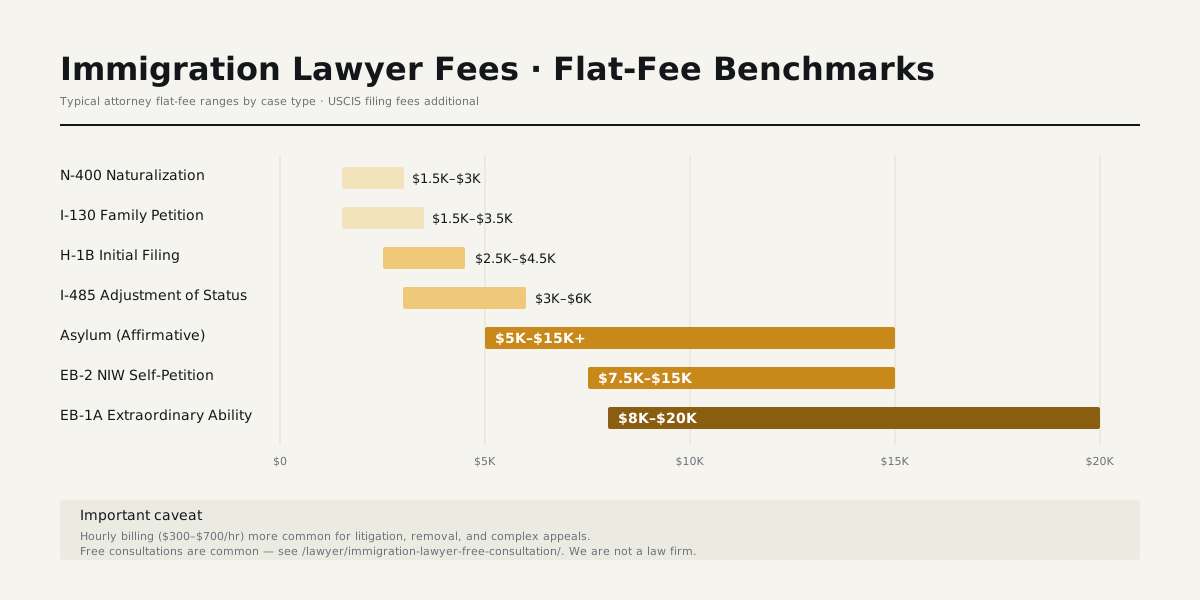
deportation lawyer typically runs $5,000–$25,000 in attorney fees, plus government filing fees that USCIS sets separately. The right fee structure depends on case complexity, urgency, and whether premium processing is in play.
Removal Defense Is a Specialized Practice — Time-Sensitive
Once a person is in removal proceedings (issued a Notice to Appear by ICE or USCIS, with a Master Calendar Hearing scheduled before an immigration judge), the timeline is unforgiving and the procedural rules are specific. Immigration courts are administrative tribunals run by the Executive Office for Immigration Review (EOIR) within DOJ — separate from USCIS. A deportation lawyer practices in EOIR.
Removal defense is not a side-practice of general immigration. The lawyer needs current familiarity with the immigration court that will hear your case (case-flow patterns, judge-specific tendencies on continuances and credibility), comfort with EOIR's Immigration Court Practice Manual, and ongoing practice in master and individual hearings. Pure-paper-immigration lawyers without EOIR experience are not the right fit when removal is at stake.
The Defense Strategy Tree
The defense strategy depends on the legal grounds in the Notice to Appear (NTA) and the respondent's circumstances:
Cancellation of Removal — INA §240A
For LPRs (§240A(a)): 5+ years as an LPR, 7+ years of continuous residence after lawful admission, no aggravated-felony conviction. Discretionary relief; the IJ weighs equities. For non-LPRs (§240A(b)(1)): 10+ years of continuous physical presence, good moral character, no disqualifying convictions, "exceptional and extremely unusual hardship" to a US-citizen or LPR spouse, parent, or child.
Defensive Asylum / Withholding of Removal / CAT
Asylum (per the five protected grounds) and withholding of removal (a higher "more likely than not" burden but no one-year bar) and Convention Against Torture protection (no nexus to a protected ground required). See the asylum lawyer page for the framework.
Adjustment of Status as a Defense
If the respondent has an approved I-130 / I-140 with a current priority date and is otherwise eligible, I-485 adjustment can be sought before the IJ.
Voluntary Departure
If no relief is available, voluntary departure (pre-conclusion or post-conclusion) avoids the hardships of a removal order — including the 10-year and 20-year bars.
Termination / Pre-Trial Motions
NTAs with defective drafting (Pereira / Niz-Chavez issues), wrong factual allegations, or jurisdictional problems may support termination. Specialists routinely scrutinize NTA service and content for defects.
Prosecutorial Discretion
ICE prosecutors can exercise discretion (administrative closure, motion to dismiss, deferred action). Specialists negotiate prosecutorial-discretion outcomes for low-priority cases.
Detained Cases — Bond Hearings
If ICE detains the respondent, a bond hearing under INA §236(a) determines whether release on bond is appropriate. Some respondents are subject to mandatory detention (INA §236(c)) and ineligible for bond — typically convictions involving aggravated felonies, controlled-substance offenses, or terrorism-related grounds. Bond-hearing specialists prepare the equity packet (community ties, employment, family) and rebut flight-risk and danger-to-community concerns.
What Vetting a Deportation Lawyer Looks Like
- EOIR-court familiarity. Does the lawyer regularly appear at the immigration court hearing your case? "Regularly" means dozens of hearings/year.
- Recent volume in your defense category. §240A(b) cancellation specialists, criminal-immigration specialists, asylum-defensive specialists are different sub-practices.
- Criminal-immigration coordination. If your case has criminal-conviction issues, the lawyer should coordinate with criminal-defense counsel for post-conviction relief (Padilla v. Kentucky considerations).
- BIA appellate practice. When IJ decisions go against the respondent, BIA appeal is the next step. Ask whether the firm handles appeals or refers them out.
- Detained-case access. If you're detained, the lawyer needs detention-facility access and bond-hearing comfort.
- Federal-court petition for review. When BIA affirms removal, the next step is a petition for review at the federal circuit. Federal-litigation experience is a separate competency.
Cost Range
Removal-defense fees vary widely with case complexity:
- Bond hearing only: $2,000–$5,000.
- Master calendar appearance + initial strategy: $2,500–$5,000.
- Cancellation of removal (LPR or non-LPR): $7,000–$15,000.
- Defensive asylum at EOIR: $6,000–$15,000+.
- Detained removal defense (full case): $10,000–$25,000+.
- BIA appeal: $4,000–$10,000.
- Federal circuit petition for review: hourly billing, typically $10,000-$30,000+ retainer.
Pro-bono and reduced-fee resources are essential for many respondents — see the EOIR pro-bono provider directory, CLINIC, RAICES, and law-school removal-defense clinics.
Bottom line
Decision framework: bar status verified, case-type volume in removal-defense and EOIR proceedings, written fee scope, transparent communication policy. Skip outcome guarantees and unverifiable success rates.
Frequently asked questions
- How do I know if an immigration attorney is licensed?
- Every US-licensed attorney is admitted to a specific state bar. Use the state bar's public lookup tool to confirm active status and check for any disciplinary history. EOIR-recognized representatives at non-profit organizations are a separate category.
- What questions should I ask before hiring?
- Useful questions: how many cases of this exact type have you handled in the past year? What is the flat-fee scope? When and how do you communicate updates? What happens if the case is denied — do you handle MTRs / appeals?
- Are flat fees or hourly billing better?
- Most routine immigration filings use flat-fee structures. Hourly billing applies when scope is unpredictable — think federal-court litigation, complex EB-1A petitions, asylum cases, or removal defense.
- Can I file my immigration case without an attorney?
- Yes — many forms (I-130, N-400, I-90, I-765 for OPT) are filed pro se by applicants every day. USCIS publishes form instructions designed for self-filers. The trade-off is research time and the risk that a procedural mistake triggers an RFE or denial.
- What are red flags when choosing an immigration lawyer?
- Red flags: outcome guarantees, vague fee quotes, no written engagement letter, generic case descriptions that do not match your specific facts, and any individual not listed on a state bar directory who is preparing forms for compensation.