Naturalization Lawyer: When Pro Se N-400 Isn't Safe
Most attorneys quote $1,200–$5,000 for naturalization lawyer. The variance reflects firm size, geography, and whether the matter requires litigation or appeals — flat-fee structures dominate for routine filings, hourly for complex cases.
Three Pathways to US Citizenship via Naturalization
Naturalization through Form N-400 follows one of three primary statutory pathways, each with different residence and good-moral-character periods:
- 5-year LPR pathway (INA §316). Standard pathway. Lawful permanent resident for at least 5 years, continuous residence in the US for the past 5 years, physical presence for at least 30 of those 60 months, residence in the state for the past 3 months, good moral character for the 5-year statutory period.
- 3-year LPR-spouse-of-US-citizen pathway (INA §319(a)). LPR for at least 3 years, married to and living with a US citizen for those 3 years (the citizen spouse must have been a US citizen for the full 3-year period), continuous residence and physical presence (15 of 36 months), good moral character for the 3-year statutory period.
- Military naturalization (INA §328 / §329). Service members and veterans with qualifying service. Expedited pathway available; some categories waive residence and physical-presence requirements entirely. See USCIS military naturalization.
When You Should Hire a Lawyer
- Any criminal record. Even arrests without conviction need analysis. The good-moral-character review at N-400 is broader than the bars to citizenship under USCIS Policy Manual Volume 12.
- Prior immigration violations or misrepresentations. Past visa misrepresentations, false claim to US citizenship, prior removal-proceedings exposure, or unauthorized employment history can derail naturalization and even trigger LPR-status review.
- Selective Service non-registration for males who lived in the US between ages 18-26.
- Extended absences. Trips abroad over 6 months break presumption of continuous residence; trips over 1 year automatically break it. Recovery requires legal-argument drafting on intent to maintain residence.
- Tax non-filing during LPR years, including filing as a non-resident.
- 3-year spouse pathway with marriage complications. Separation, divorce, or domestic violence during the 3-year period may disqualify or shift to VAWA-based 3-year naturalization (INA §319(a)).
- Disability accommodation under N-648. Medical waivers of the English / civics tests require a treating-physician's Form N-648; specialists draft the medical narrative.
- Prior denial. N-400 denials become part of your record. Refiling without addressing the denial reasoning typically produces another denial.
Military Naturalization Pathways
INA §328 covers service members with at least 1 year of qualifying service (any military service, peacetime or wartime). INA §329 covers service members with any active-duty service during designated periods of conflict (currently includes the post-9/11 designation under Executive Order 13269). §329 has the most generous waiver of standard requirements: no LPR status required at filing, no physical-presence requirement, simplified good-moral-character analysis.
Military naturalization specialists handle Form N-426 certification of military service and coordinate with military legal-assistance offices.
Cost Range
- Standard N-400 (no complications): $1,000–$2,500 if you decide to engage counsel.
- N-400 with criminal-history review: $2,500–$5,000.
- N-400 with extended-absence or tax issues: $2,500–$5,000.
- VAWA-based 3-year naturalization: $3,000–$6,000.
- Military naturalization (§328 / §329): typically pro-bono through military legal-assistance offices or low-cost.
- Re-filing after prior denial: $2,500–$6,000.
Bottom line
Selection criteria for naturalization (N-400) cases requiring counsel: documented prior approvals in the same form type, AILA membership (useful but not required), explicit scope and refund terms, and a single point of contact for case status.
Frequently asked questions
- What are red flags when choosing an immigration lawyer?
- Be cautious if the attorney guarantees approval, refuses to put fees and scope in writing, or pressures you to decide immediately. Also watch for 'notarios' or 'visa consultants' charging legal fees without a state bar license — that is unauthorized practice of law in most states.
- Where can I find low-cost or pro-bono immigration help?
- Low-cost options include EOIR-recognized non-profits, law-school immigration clinics, and AILA pro-bono referrals. Asylum cases, special immigrant juvenile status, and victims-of-trafficking matters are common pro-bono case types.
- How much does an immigration lawyer cost for naturalization lawyer?
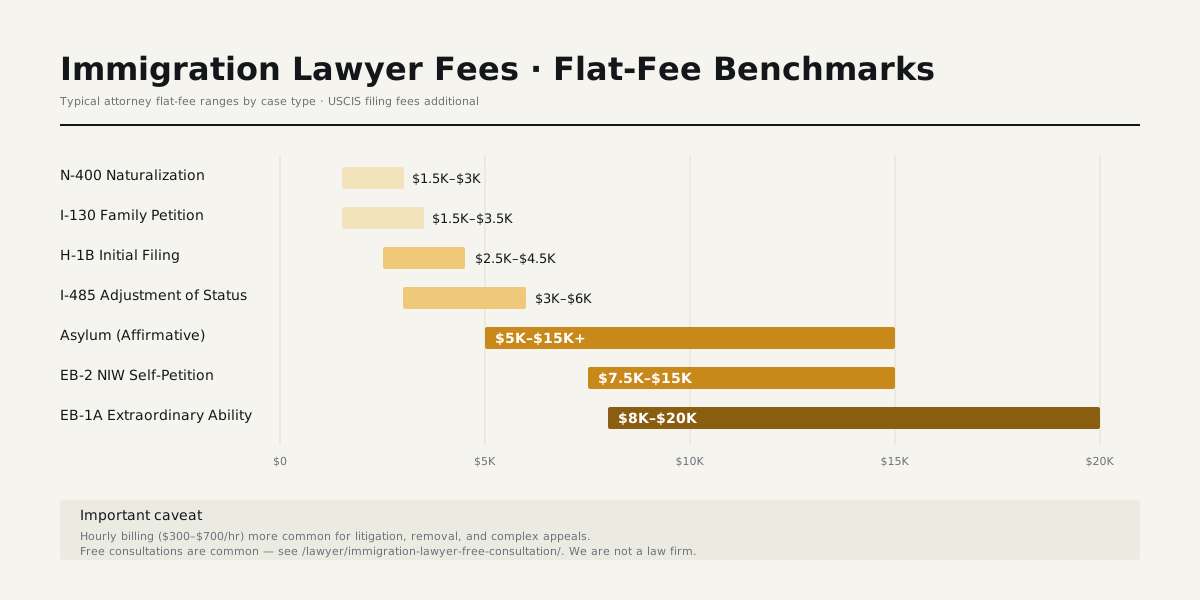
- Attorney fees vary widely by case complexity and geography. Routine filings (H-1B, I-130, OPT EAD) are typically flat-fee in the low thousands; complex EB-2 NIW, EB-1A, or asylum cases run higher and may include phase-based billing.
- How do I know if an immigration attorney is licensed?
- Verify bar admission through the state bar association's online directory in the state where the attorney practices. The American Immigration Lawyers Association (AILA) member directory at aila.org is also a useful (but non-exclusive) starting point.
- What questions should I ask before hiring?
- Ask about prior approvals in the specific category you are filing — for naturalization lawyer, that means specific case types, not 'years of immigration experience' broadly. Ask for the engagement letter, fee structure, refund policy, communication cadence, and who will actually handle the file.